- The project focused on enhancing the aerodynamic performance of a race car diffuser through parametric optimization and CFD analysis, leading to a 35% increase in the lift-to-drag ratio and improved high-speed cornering stability.
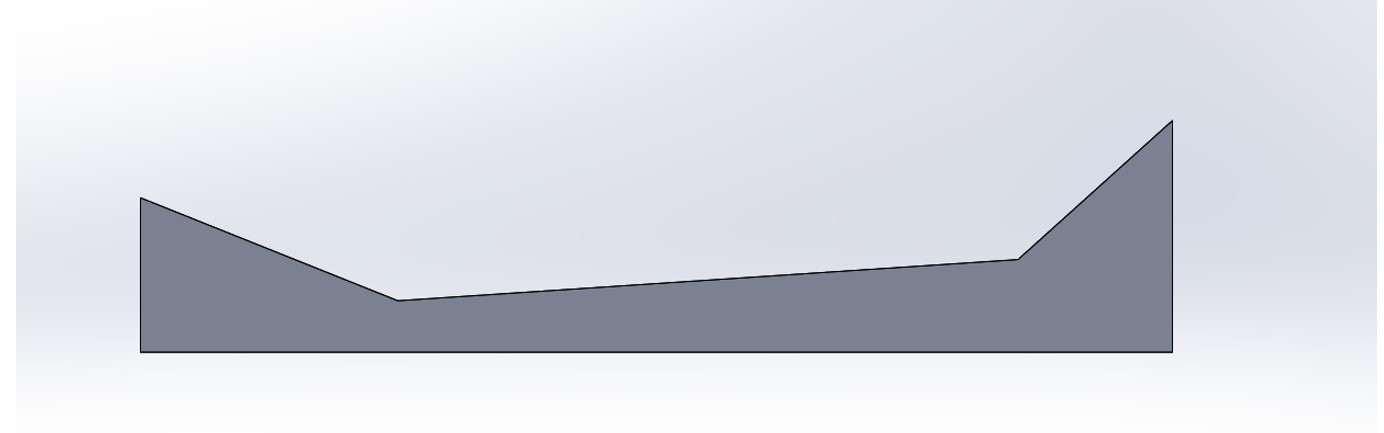
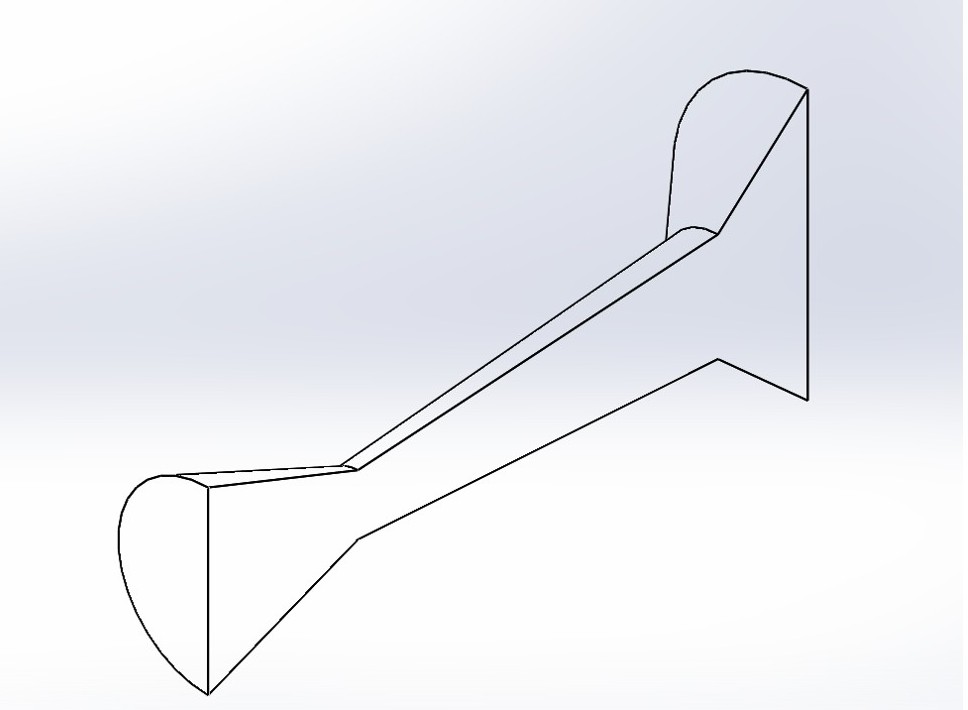
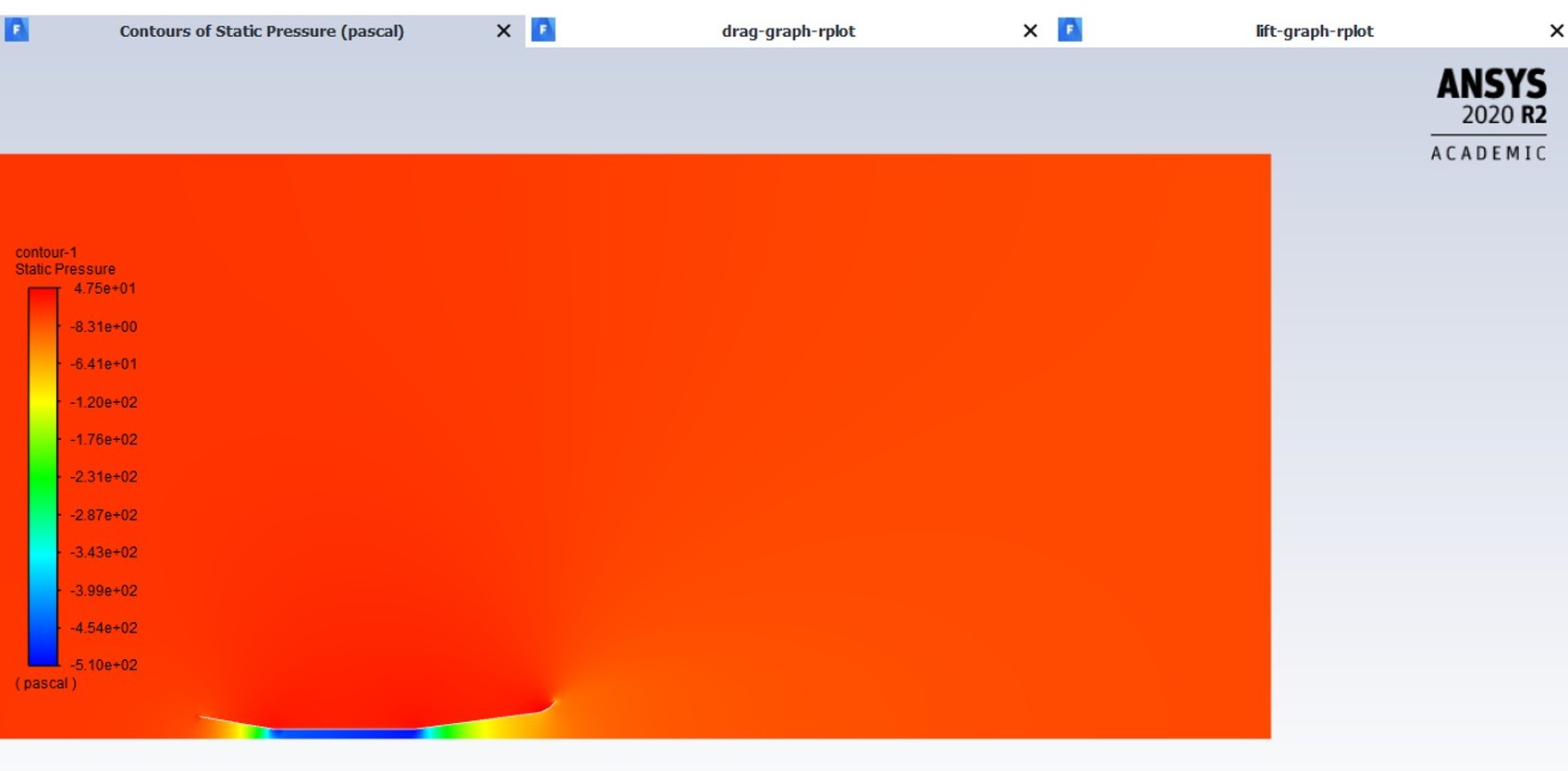
- The initial diffuser design featured a 5° inlet angle, 20° outlet angle, 50mm ground clearance, and a length of 1500mm from the inlet wall. The geometry was modeled in SolidWorks, meshed with a 0.03m mesh size, and simulated in ANSYS Fluent. A mesh independence study was conducted to refine accuracy.
- The diffuser improves airflow transition, reducing drag while increasing downforce by leveraging Bernoulli’s Principle and pressure recovery. The Venturi effect creates a vacuum underneath the car, facilitating wake infill and enhancing overall vehicle stability.
- Optimization involved studying different angle variations to determine the most aerodynamically efficient diffuser shape. Insights from 2021 Formula 1 diffuser regulations were incorporated to refine the design, ultimately identifying an optimized configuration for better track performance.
- The study provides valuable insights for motorsports teams and automotive manufacturers, contributing to race car aerodynamic optimization. It highlights how advanced CFD-based design validation can enhance vehicle stability, handling, and fuel efficiency, making it relevant for high-performance automotive applications.
Skills: CAD- SolidWorks
CFD- ANSYS Fluent, ANSYS Workbench, Comsol